VR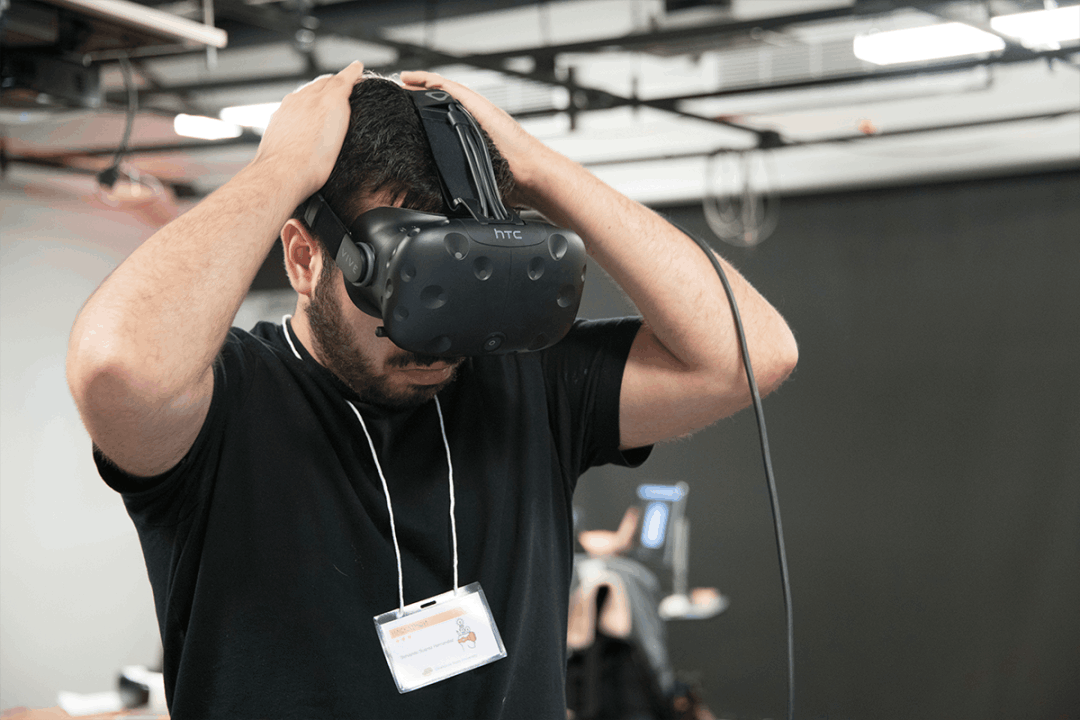
Virtual Reality
Immersive computer-mediated 3D environments, precisely tailored and controlled for human-behavior research.
Beneath the projects run seven research threads sustained across the decade, the lab's contribution to how digital media and the built environment are understood, developed in the peer-reviewed literature and in Dr. Chandrasekera's forthcoming book, Digital Media and the Built Environment.

What makes a mediated environment feel like a place. Comparing physical, passthrough mixed reality, and fully immersive workspaces, where a hybrid passthrough office produced the highest satisfaction.

The feeling that the virtual body is your body. In a 72-participant study, avatar view changed cognitive load more than presence: hands-only first person was lightest, third-person full body heaviest.

How people find their way, and which cues help. Auditory landmarks, AR overlays, and controlled virtual mazes turn wayfinding into a measurable design variable.

XR lets one variable change while everything else holds still: store-wall hue and purchase intent, hotel-room color across cultures, classroom lighting and teacher stress, nature elements and recovery.

fNIRS, EEG, ECG, EDA, and eye tracking paired with validated instruments, so claims about experience rest on what bodies do, not only on what people say.

Thinking with the hands. A tangible AR interface produced significantly lower workload than a graphical VR interface, evidence that physical, epistemic action supports a more fluid creative process.

Generative AI as co-creator in early design: enhanced design quality with managed cognitive load, plus ongoing studies of how learning styles shape AI adoption in design education.
The lab operates across the full reality-virtuality continuum, with the apparatus to build any environment on that spectrum and the sensors to measure any human inside it.
Immersive computer-mediated 3D environments, precisely tailored and controlled for human-behavior research.
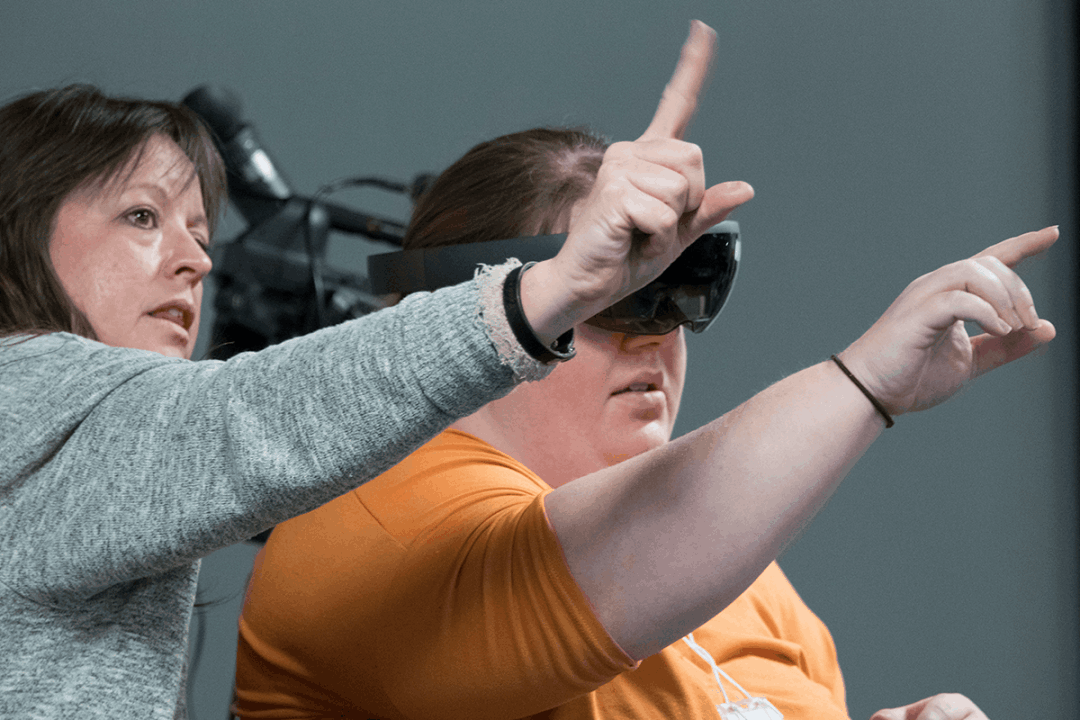
Virtual objects overlaid on physical space, and responsive mixed-reality interaction across headsets and mobile devices.
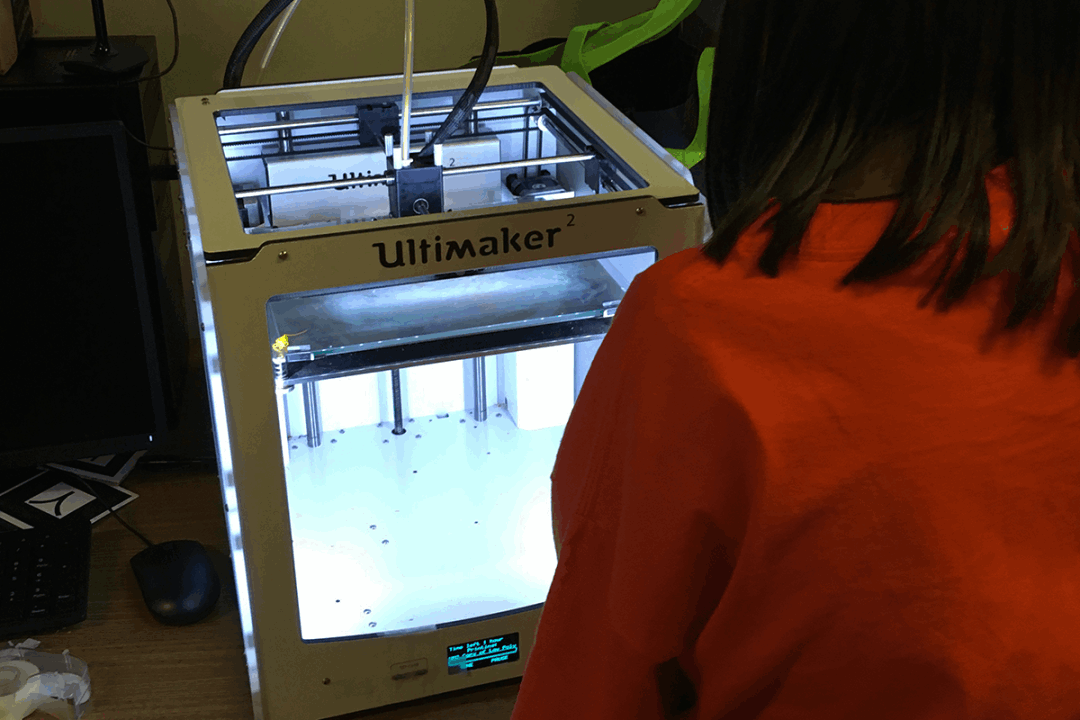
Rapid physical prototyping that closes the loop between virtual models and tangible, testable artifacts.
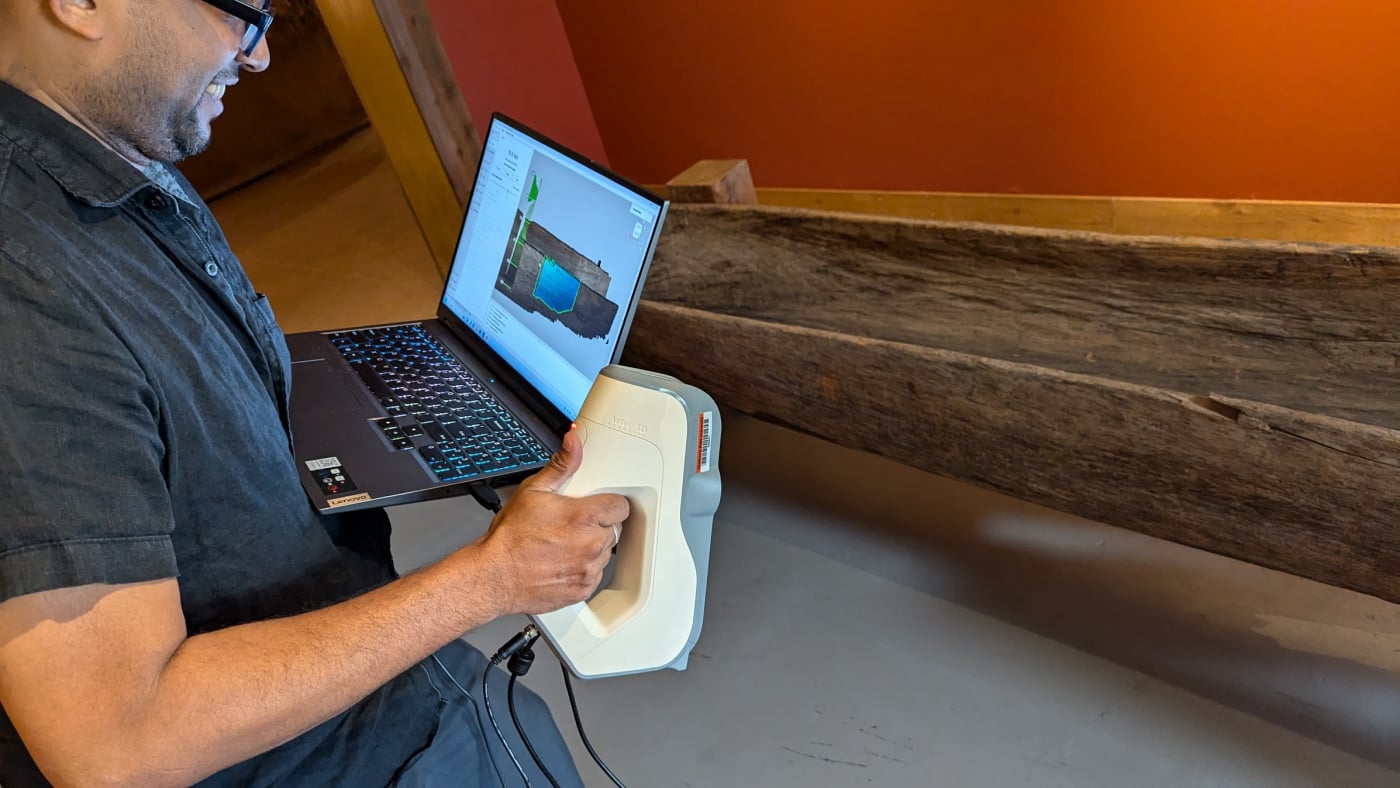
Artifact digitization and drone-based point clouds of buildings for heritage preservation and architectural analysis.
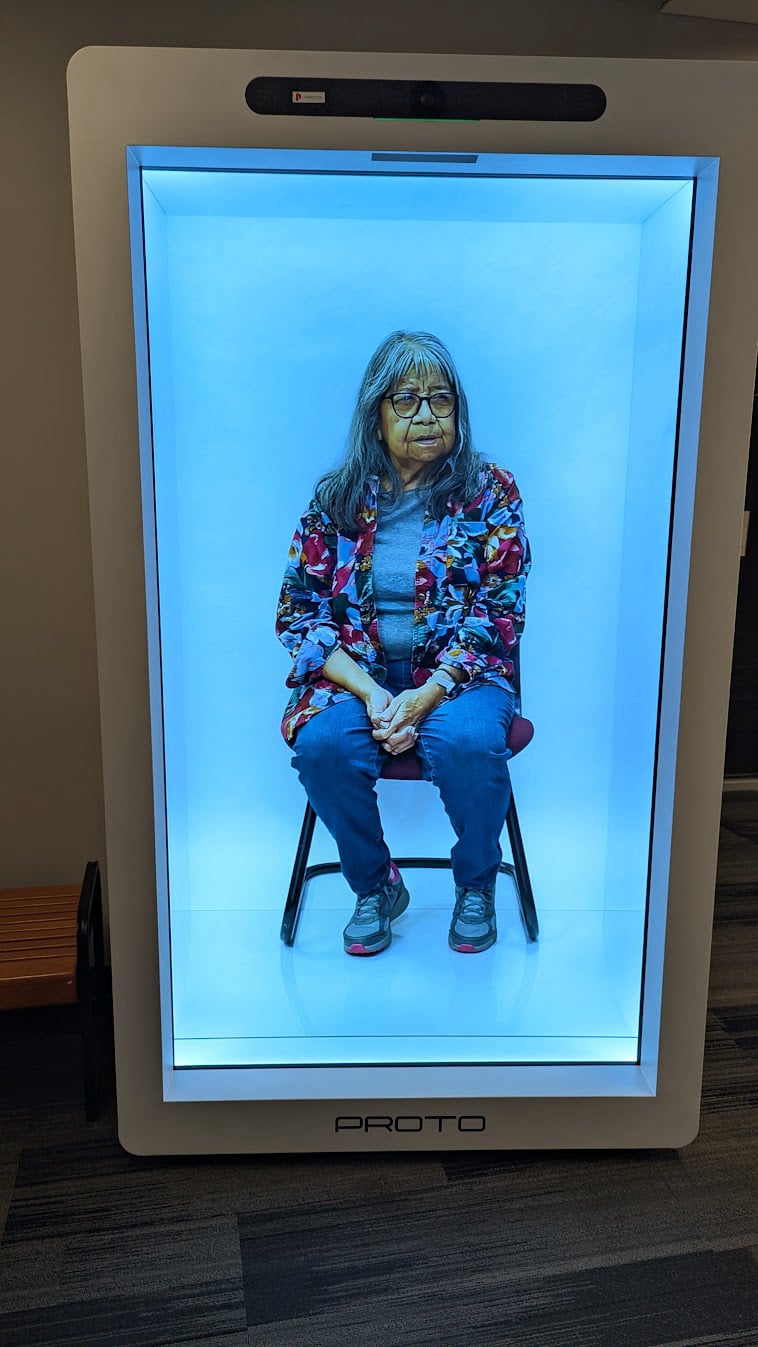
Life-size holographic projection for immersive storytelling, virtual presence, and interactive design review.

Generative, conversational, and AIoT systems, studied as design tools and deployed inside lab-built environments.

Functional near-infrared spectroscopy using Biopac equipment, measuring prefrontal activity from 16 locations, alongside EEG for electrical brain activity during design and spatial tasks.

Tobii Pro 3 screen-based eye tracking plus VR-integrated gaze tracking, revealing exactly where attention lands inside physical and virtual environments.

Heart rate (ECG) and skin conductance (EDA/GSR) sensing, including Mindfield eSense systems, capturing arousal and stress responses to designed space in real time.